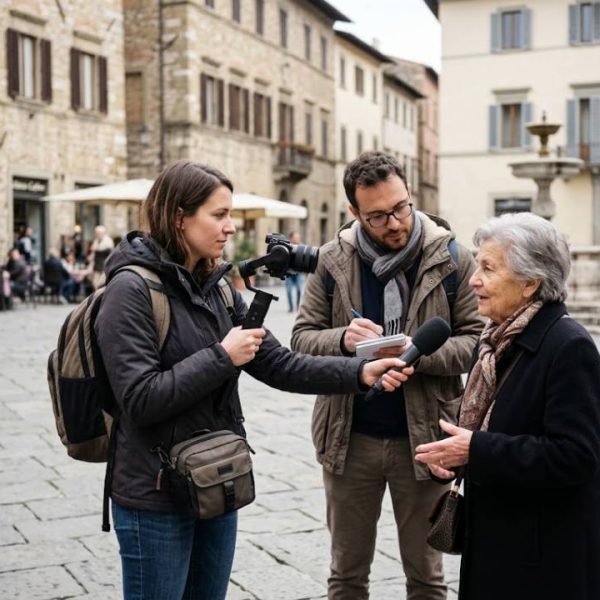
Journalism no longer lives only on paper. A single story may appear as a written article, a short video, an audio clip, a photo series and a social post, all within the same day. Multimedia journalists plan, report and edit across these formats, and they must do it quickly without losing accuracy. This article explains how multimedia reporting works, which skills matter most and how to prepare stories for readers and viewers in different countries.
What Multimedia Journalism Means
Multimedia journalism combines text, images, audio, video and data to tell a story in the way that suits it best. A flood might be explained with a map, a short interview and a clear written summary. Each format adds something the others cannot.
The story decides the format, not the other way around.
Start With a Clear Question
Every strong story begins with a question that matters to readers. Who is affected, what changed and why now? A clear question keeps reporting focused, helps with choosing interviews and guides the shape of the final piece.
Without a question, even beautiful footage rarely becomes a story.
Gather Material Carefully
Record interviews with permission, take notes, photograph places and save documents. Label files with date, place and source. Good organization in the field saves hours in the edit and protects against mistakes later.
Careful collection is the foundation of accurate reporting.
Verify Before You Publish
Check facts with more than one source, confirm names and dates and test photos and videos for signs of manipulation. Organizations such as the International Journalists Network share training and tools that help reporters verify material and work safely.
Speed never excuses an error.
Write for the Web
Online readers scan. Use a clear headline, a short opening that gives the main point, short paragraphs and descriptive subheads. Add links to documents and earlier reporting so readers can check the details.
Plain language respects the audience.
Use Audio and Video Well
Good sound matters more than perfect pictures. Use a decent microphone, record in a quiet place and capture natural background sounds. Keep videos short and edit tightly. Transcripts and captions help viewers who watch without sound, and our guide on audio and video transcription explains how to prepare recordings for accurate text.
Accessible media reaches a larger audience.
Reach Readers in Other Languages
Stories about global topics often travel across borders. Translating headlines, summaries and captions can bring new readers, and newsrooms that publish for Nordic audiences sometimes rely on swedish translation services to keep names, quotes and context accurate. A careful translator also notes cultural differences that could change the meaning of a phrase.
Respect for the reader's language builds trust.
Ethics and Fairness
Report fairly, identify sources clearly, correct errors openly and avoid causing harm to vulnerable people. Explain to interviewees how their words and images will be used. Ethical habits protect both the subject and the reporter's reputation.
Trust is the most valuable asset a journalist owns.
Data and Visual Storytelling
Charts, maps and timelines help explain complex facts. Choose a simple chart, label it clearly and cite the source of the data. Avoid misleading scales and decoration that hides the point.
Good visuals make numbers understandable.
Social Media as a Tool
Social platforms help reporters find sources, share short updates and connect with readers. Treat every post as publication: check facts, respect privacy and link to the full story. Engage with questions politely and correct mistakes openly.
Social media works best as a conversation, not a billboard.
Working Safely
Assess risks before you go to a location, tell someone your plan and protect your devices and sources with strong passwords and encryption. For sensitive topics, use secure channels and minimize stored data.
Safety planning is part of professional reporting.
Building a Personal Brand
Keep a portfolio of strong stories, share your process and be consistent in style. Audiences follow reporters they trust. Write a short bio and keep contact details easy to find.
Steady quality builds a loyal audience over time.
Developing New Skills
Learn basic video editing, audio mixing, photo handling and data tools. Short online courses and practice projects are enough to begin. Ask editors for feedback and study stories you admire.
Curiosity keeps a journalist useful as technology changes.
A Simple Workflow
Plan the story, collect material, verify, draft, edit each format, publish and follow up with readers. Review what worked and what did not. A steady routine makes complex stories manageable.
Good habits turn pressure into rhythm.
Local Stories With Global Interest
Many strong international stories begin in a small place. A reporter who understands a local community can explain events that outsiders might miss. Collect context, names and background that a foreign reader needs so the story stands on its own.
Specific local detail makes a story universal.
Editing Across Formats
An edit is not only cutting. It is deciding what matters, checking consistency between text and video and making sure headlines match the content. Ask a colleague to review the piece with fresh eyes before it goes out.
A second reader catches what the author no longer sees.
Working With Freelancers and Teams
Clear briefs, agreed deadlines and fair payment make collaboration easier. Share style notes, preferred sources and legal guidelines so everyone works the same way. Good teams communicate often and solve problems early.
Respectful teamwork improves the final story.
Measuring Impact
Look beyond page views. Track how long readers stay, whether they share the story, how many people respond and whether the reporting led to change. Use the results to choose future topics and formats.
Impact tells you whether the story did its job.