A multimedia journalist today is a one-person newsroom. They shoot video, record audio, take photographs, write copy and publish across social platforms, often from places where they do not speak the local language. Every interview, every document and every social media post from the ground may need translation before it can become part of a story.
How reporters handle that language gap shapes the quality of their journalism. Accurate translation is not a technical detail in foreign reporting, it is part of telling the truth.
The Role of Fixers and Interpreters
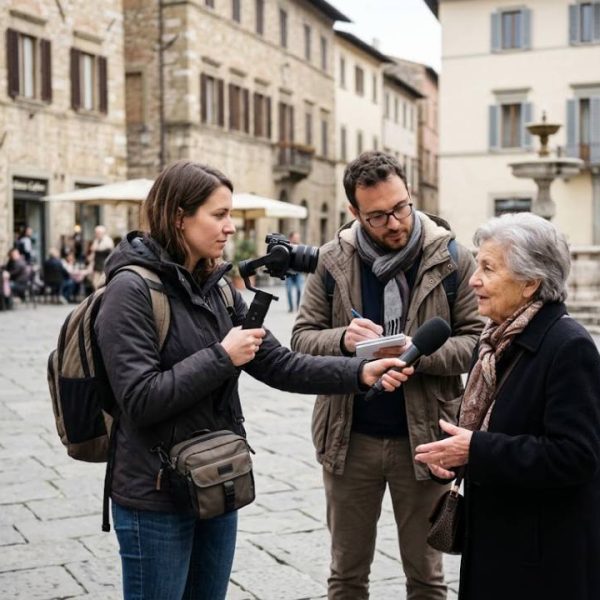
Fixers are the unsung heroes of international journalism. They arrange interviews, navigate local customs, assess safety and often interpret in real time. A good fixer knows not only the language but also the cultural context, helping journalists understand what is said between the lines.
Interpreting during interviews requires care. Journalists need exact quotes, not summaries. Many reporters record interviews and have the original audio checked later by a professional translator before quoting anyone directly.
Reporting From Conflict Zones
The war in Ukraine has shown how central language is to modern reporting. Journalists rely on Ukrainian testimonies, official statements, Telegram channels and intercepted communications, often in Ukrainian or Russian. Newsrooms covering the conflict work with professional ukrainian to english translation for documents, eyewitness accounts and official reports that will be published or cited.
Russian-language sources, from government statements to social media posts, also need careful handling. Reliable russian english translation helps journalists understand exactly what was claimed, which is essential when reporting on propaganda or disinformation.
Verification Starts With Understanding
Open-source investigators and verification teams analyse videos, photos and posts from around the world. Before they can check whether a video is authentic, they need to understand what people in it are saying, what the signs show and what the original caption claims. A mistranslated caption can send an investigation in the wrong direction.
The Reuters Institute for the Study of Journalism publishes research on how newsrooms manage verification, trust and multilingual audiences, and its annual Digital News Report is essential reading for anyone in the field.
Where Technology Helps
Speed matters in news. When a story breaks in another country, journalists scan local media and social posts within minutes. A modern machine translation tool lets them grasp the gist of foreign-language material quickly and decide what is worth investigating further.
The rule in serious newsrooms is clear, though. Machine output can guide research, but anything quoted, published or broadcast should be checked by a human who knows the language. Automatic translations can flip negations, miss sarcasm or misread names, which can lead to embarrassing corrections or worse.
Subtitles and Multilingual Video
Video is the heart of multimedia journalism. Interviews recorded in one language need accurate subtitles for international audiences. Good subtitling condenses speech without changing meaning, respects reading speed and keeps names, numbers and places exact. Many outlets also publish the same video with subtitles in several languages to reach wider audiences on social platforms.
Ethical Questions
Translation in journalism raises ethical questions. Should a translated quote be cleaned up grammatically, or kept rough to reflect how the person spoke? How should journalists signal that a quote was translated? Many style guides recommend noting when quotes are translated and keeping the original recording on file in case of disputes.
- Record interviews whenever sources agree.
- Keep original-language versions of key quotes.
- Have important quotes checked by a second speaker.
- Be transparent with audiences about translation.
Protecting Sources and Interpreters
Local interpreters and fixers often face real risks, especially in authoritarian states or war zones. Responsible newsrooms protect their identities when needed, pay them fairly and provide safety training. Their work deserves credit, and in many cases their names appear in bylines or end credits.
Skills for the Next Generation
Journalism students increasingly learn basic verification techniques, digital security and how to work with interpreters. Speaking a second or third language remains a strong advantage for foreign correspondents, but no one can speak every language. Knowing how to collaborate with language professionals is now part of the job.
Translating Documents and Leaks
Investigative stories often rest on documents: court files, company records, leaked emails, procurement contracts or internal memos. When these are in another language, newsrooms usually commission full professional translations of the key pages, not just summaries. Lawyers reviewing a story before publication need to see exactly what the original says, because a single misread clause can expose a publisher to legal risk.
Large cross-border investigations, where dozens of outlets collaborate, often build shared glossaries of names, company titles and technical terms. This keeps reporting consistent across countries and helps editors spot discrepancies early.
Newsrooms that cannot justify a full-time language desk often partner with external translation services that deliver publication-ready copy on tight deadlines. These specialists work in dozens of language pairs and follow the style guides journalists rely on. They also provide the certified accuracy courts and fact-checkers demand when documents become evidence. For a small newsroom covering a fast-moving foreign story, that kind of support can make the difference between publishing first and publishing wrong.
Local Audiences, Global Platforms
Multimedia journalists also publish for audiences who speak different languages. A story filmed in Kyiv may be watched in Warsaw, Berlin and Toronto on the same day. Offering translated captions or short versions in several languages helps independent journalists grow an international following and makes important stories reach the people most affected by them.
Why It All Matters
Audiences trust journalists to tell them what is happening and what people are saying, even far away. Careful translation turns distant voices into accurate stories, and accurate stories are the foundation of public trust in news.

A multimedia journalist today is a one-person newsroom. They shoot video, record audio, take photographs, write copy and publish across social platforms, often from places where they do not speak the local language. Every interview, every document and every social media post from the ground may need translation before it can become part of a story.
How reporters handle that language gap shapes the quality of their journalism. Accurate translation is not a technical detail in foreign reporting, it is part of telling the truth.
The Role of Fixers and Interpreters
Fixers are the unsung heroes of international journalism. They arrange interviews, navigate local customs, assess safety and often interpret in real time. A good fixer knows not only the language but also the cultural context, helping journalists understand what is said between the lines.
Interpreting during interviews requires care. Journalists need exact quotes, not summaries. Many reporters record interviews and have the original audio checked later by a professional translator before quoting anyone directly.
Reporting From Conflict Zones
The war in Ukraine has shown how central language is to modern reporting. Journalists rely on Ukrainian testimonies, official statements, Telegram channels and intercepted communications, often in Ukrainian or Russian. Newsrooms covering the conflict work with professional ukrainian to english translation for documents, eyewitness accounts and official reports that will be published or cited.
Russian-language sources, from government statements to social media posts, also need careful handling. Reliable russian english translation helps journalists understand exactly what was claimed, which is essential when reporting on propaganda or disinformation.
Verification Starts With Understanding
Open-source investigators and verification teams analyse videos, photos and posts from around the world. Before they can check whether a video is authentic, they need to understand what people in it are saying, what the signs show and what the original caption claims. A mistranslated caption can send an investigation in the wrong direction.
The Reuters Institute for the Study of Journalism publishes research on how newsrooms manage verification, trust and multilingual audiences, and its annual Digital News Report is essential reading for anyone in the field.
Where Technology Helps
Speed matters in news. When a story breaks in another country, journalists scan local media and social posts within minutes. A modern machine translation tool lets them grasp the gist of foreign-language material quickly and decide what is worth investigating further.
The rule in serious newsrooms is clear, though. Machine output can guide research, but anything quoted, published or broadcast should be checked by a human who knows the language. Automatic translations can flip negations, miss sarcasm or misread names, which can lead to embarrassing corrections or worse.
Subtitles and Multilingual Video
Video is the heart of multimedia journalism. Interviews recorded in one language need accurate subtitles for international audiences. Good subtitling condenses speech without changing meaning, respects reading speed and keeps names, numbers and places exact. Many outlets also publish the same video with subtitles in several languages to reach wider audiences on social platforms.
Ethical Questions
Translation in journalism raises ethical questions. Should a translated quote be cleaned up grammatically, or kept rough to reflect how the person spoke? How should journalists signal that a quote was translated? Many style guides recommend noting when quotes are translated and keeping the original recording on file in case of disputes.
- Record interviews whenever sources agree.
- Keep original-language versions of key quotes.
- Have important quotes checked by a second speaker.
- Be transparent with audiences about translation.
Protecting Sources and Interpreters
Local interpreters and fixers often face real risks, especially in authoritarian states or war zones. Responsible newsrooms protect their identities when needed, pay them fairly and provide safety training. Their work deserves credit, and in many cases their names appear in bylines or end credits.
Skills for the Next Generation
Journalism students increasingly learn basic verification techniques, digital security and how to work with interpreters. Speaking a second or third language remains a strong advantage for foreign correspondents, but no one can speak every language. Knowing how to collaborate with language professionals is now part of the job.
Translating Documents and Leaks
Investigative stories often rest on documents: court files, company records, leaked emails, procurement contracts or internal memos. When these are in another language, newsrooms usually commission full professional translations of the key pages, not just summaries. Lawyers reviewing a story before publication need to see exactly what the original says, because a single misread clause can expose a publisher to legal risk.
Large cross-border investigations, where dozens of outlets collaborate, often build shared glossaries of names, company titles and technical terms. This keeps reporting consistent across countries and helps editors spot discrepancies early.
Local Audiences, Global Platforms
Multimedia journalists also publish for audiences who speak different languages. A story filmed in Kyiv may be watched in Warsaw, Berlin and Toronto on the same day. Offering translated captions or short versions in several languages helps independent journalists grow an international following and makes important stories reach the people most affected by them.
Why It All Matters
Audiences trust journalists to tell them what is happening and what people are saying, even far away. Careful translation turns distant voices into accurate stories, and accurate stories are the foundation of public trust in news.